

THE VOICE
March 2026


RESTORATION CENTER


Vinfen Expands Behavioral Health Services with The Restoration Center of Greater Lowell
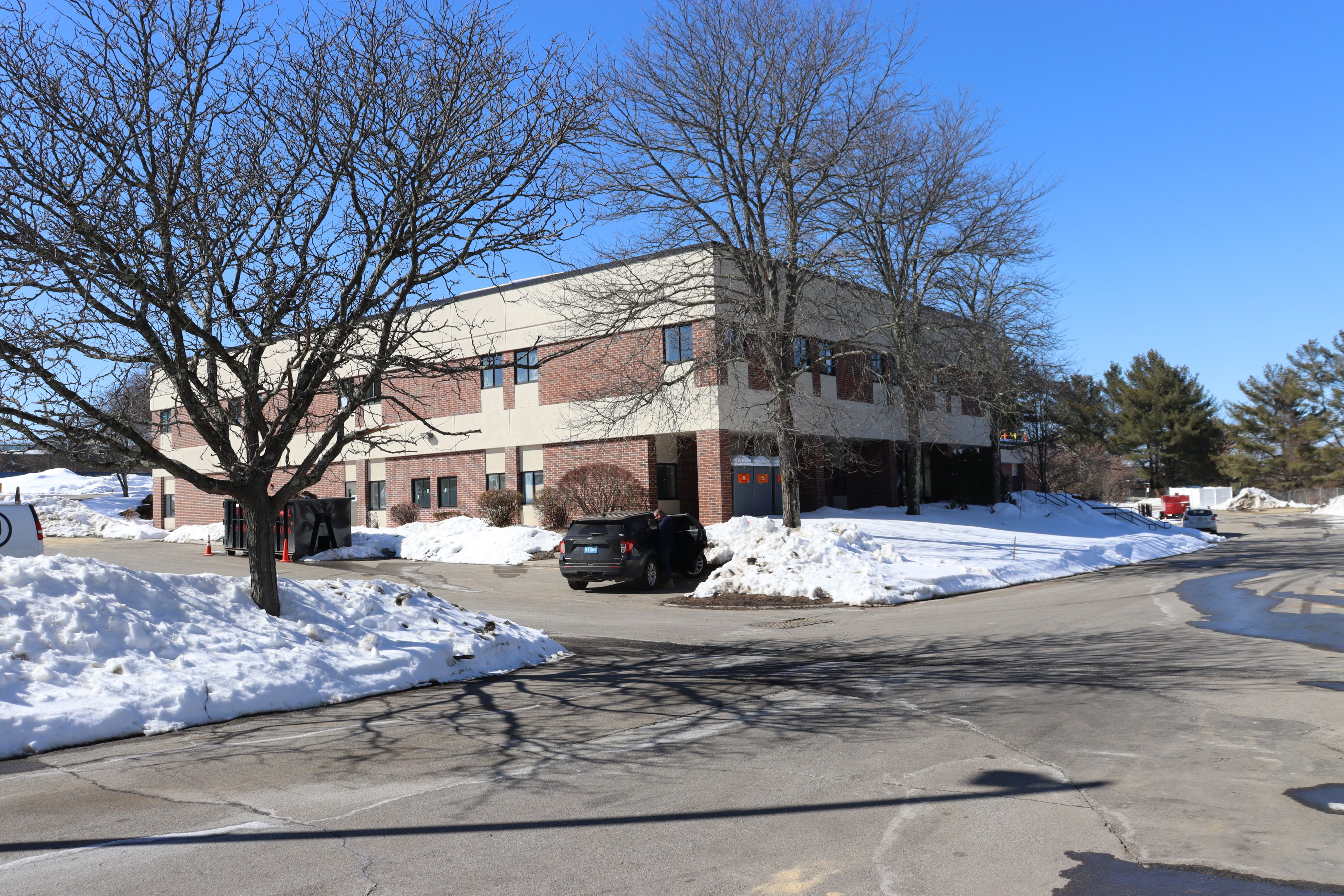
When first responders encounter individuals experiencing behavioral health or substance use crises, their options have traditionally been limited to emergency departments or police lockups. Starting April 1, a new program in Lowell operated by Vinfen aims to change that.
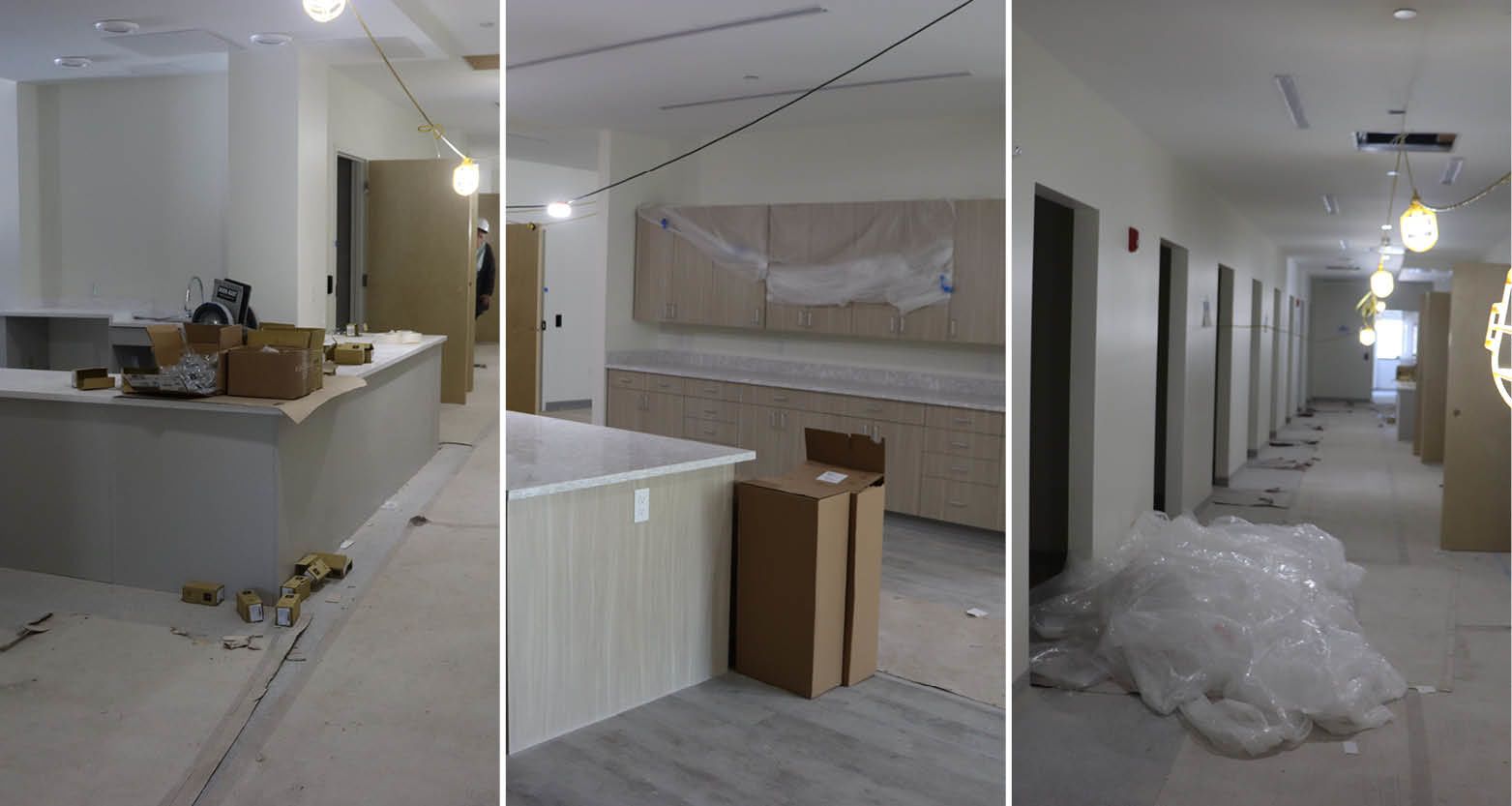
The Restoration Center of Greater Lowell will offer individuals in crisis immediate support, stabilization, and connections to ongoing care. This pilot program is an innovative mental health and substance use disorder center—developed in close collaboration with the Middlesex County Restoration Center Commission and the Massachusetts Executive Office of Health and Human Services (EOHHS)—that represents an alternative to emergency rooms and incarceration for individuals experiencing behavioral health crises.
“The Restoration Center is a new model for Massachusetts, but one that’s shown proven success in other states where it’s been implemented,” says Katherine Tyler, Vinfen’s vice president of behavioral health. “It fills a critical services gap for people with complex behavioral health needs—including, but not limited to, those related to substance use disorder.”
The Restoration Center is designed to serve as a low-threshold “front-door” for individuals to receive both urgent care and connections to further services across the care continuum that promote recovery.
“The Restoration Center tackles a known need, and really rights the scales a bit,” says Muriel Kramer, the Center’s executive director. “Rather than steer people in crisis to institutions that can’t serve their needs as well, the Center is designed to be welcoming, comfortable, and staffed by professionals specifically trained to offer these kinds of services. It’s a truly innovative program, and every facet of it is peer-focused and recovery forward.”
The facility will offer 24/7/365 access for drop-offs by police and other first responders—as well as walk-ins—and emphasizes rapid engagement of the individual, evidence-based treatment, and facilitated access to multiple types of support services, including:
• Triage and medical clearance
• Behavioral health crisis assessment, intervention, and stabilization
• Sober support for individuals who are intoxicated, experiencing the effects of substances—private, quiet spaces that allow individuals to decompress
• Care coordination between a patient’s behavioral and medical healthcare providers
• Connection to peer specialists and recovery coaches
• Connection to offsite Community Crisis Stabilization (CCS) services
• Connection to acute treatment services (detox) for substance use disorder
• A 10-bed Respite Care Program for short-term admissions
• Mobile Respite Services – Mobile respite services provide short-term intervention to stabilize those who may be experiencing exacerbated symptoms related to a behavioral health disorder due to life stressors, social determinants of health, or life transitions
• Peer-led Living Room Services with access to case management as well as computers, laundry, and showers
“We’re creating a multidisciplinary team who will be able to collaborate on addressing a person’s complete healthcare needs,” says Kramer.
Spectrum Health Services shares the space at 10 Technology Drive and will offer next-step services to individuals who may be ready to move forward with their recovery journey. “Spectrum is a valued partner who will be operating 16 acute detox beds right upstairs from the Restoration Center,” says Tyler. “If someone decides, after receiving sobering support, that they are interested in going into detox, someone from Spectrum can come right downstairs and explain the entire process and get them started, if they choose.”
Kramer is well aware that many of the people they serve will not be ready to take that next step the first time they come in. “It’s our hope that over time we will build trust and establish ourselves as a welcoming place—a hub that connects people to services and encourages them to commit to taking care of their primary and behavioral health.”
It’s an ambitious mission, but one Kramer feels Vinfen is ready to take on. “We’ve assembled a team of professionals, many of whom are local to this area, truly invested in it, and very aware of the needs of their neighbors. I’m really excited about the energy and investment in this community that they’re bringing to this essential new program.”



FILM FESTIVAL

Don’t Miss Your Chance to Meet Patrice at the Vinfen Film Festival on March 28
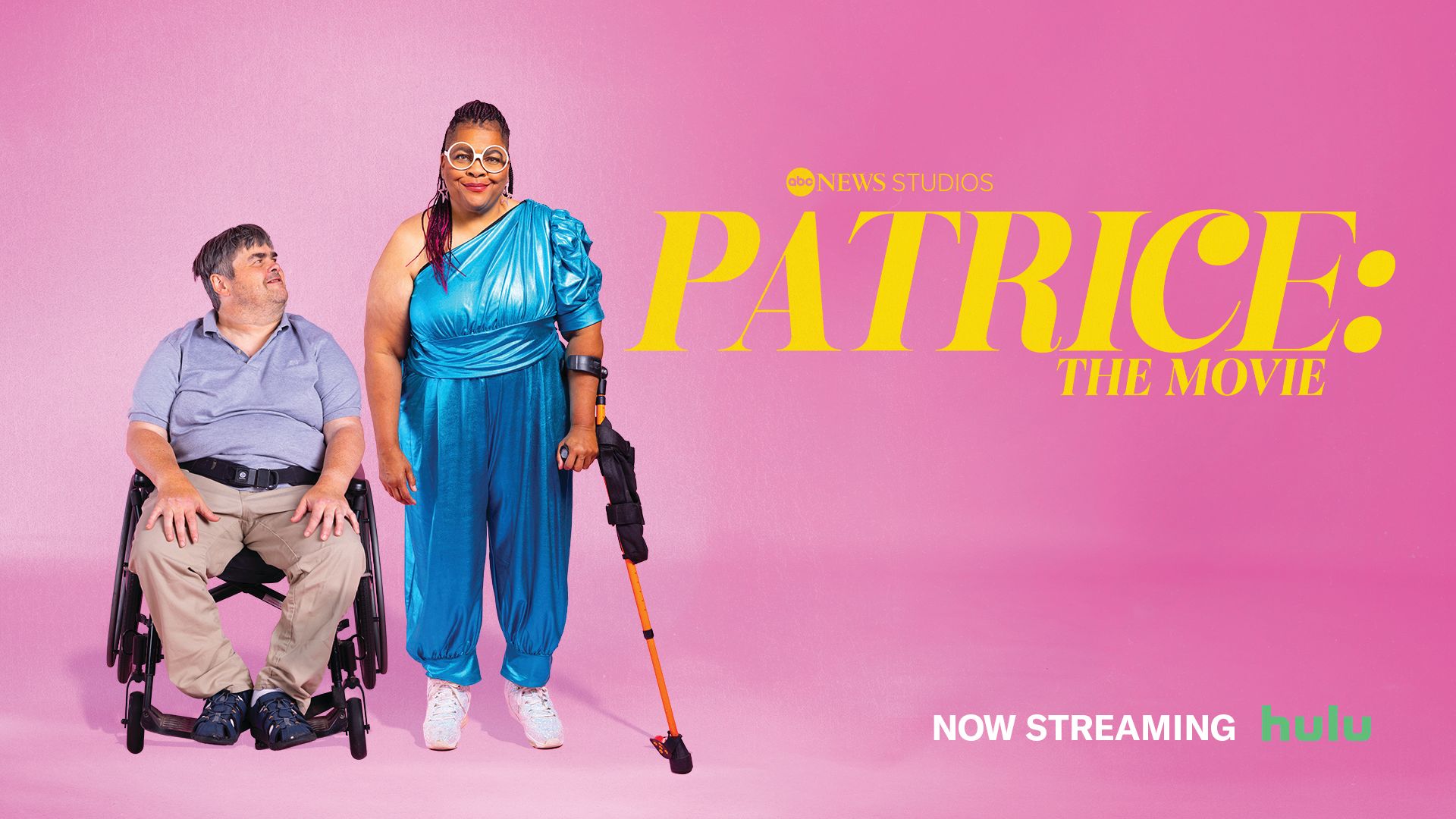
Love should be simple. For Patrice Jetter and Garry Wickham, it has been anything but.
The couple have spent more than 30 years building a life together. But if they were to legally marry, they would risk losing the government benefits they rely on to live independently. It is called the “marriage penalty,” and it’s at the center of Patrice: The Movie, the Emmy Award-winning documentary screening at the Vinfen Film Festival on March 28.
The film is an eye-opening look at the challenges—from the smaller aspects of daily life to the systemic limitations imposed by the American government—faced by people living with disabilities. Deeply personal, yet universally relatable, it’s a powerful human story about love, perseverance, resilience, community, and the fight for equity.
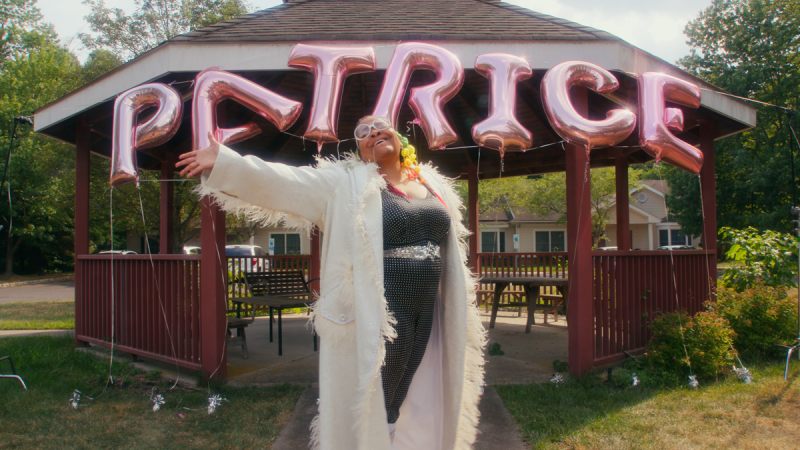
Patrice and Garry, the stars of this inspiring and heartfelt documentary, will be joining us on March 28 for the screening and discussion panel, talking about their life together and their advocacy efforts. We were fortunate enough to speak with them recently.
Q: How did you first meet?
GARRY: We’ve known each other for over 30 years. We were attending the same workshop, and I noticed her because she was wearing her crossing guard uniform. We hit it off and became friends, and kept in touch for years. We got much closer after different members of my family developed health issues.
PATRICE: Whenever we spent time together, we always had fun. Somewhere along the way, I realized, “I could never get tired of him.”
Q: What sort of reaction have you gotten from people who’ve seen the film?
GARRY: Nothing but positive feedback, really. And one thing that we constantly hear from people is that they had no idea about the Medicare rules and regulations—they had no clue about the marriage restriction.
PATRICE: We get recognized a lot now, which is pretty cool. We’ve had people ask us for autographs.
Q: What are some of the most special moments that you’ve experienced since the film came out?
GARRY: A huge thing for us was being invited to the White House and having dinner with President Biden.
PATRICE: And being in Washington, D.C. to speak at the National Mall—having the opportunity to get the word out to as many people as possible about the reforms that need to be made. We met Nancy Pelosi, and some really great legislators who stood up against the recent Medicare cuts.
GARRY: Patrice went on “The View,” and Whoopi wanted to sit down, there and then, and write a letter to Congress in support of reform!
Q: How closely did you collaborate with Ted (Passon, director), and how much creative input did you have into the style of the film?
PATRICE: I met Ted through my niece, Kim, and we just clicked. If that introduction had never happened, I don’t think the film would’ve been made. Making the film was a case of two creative minds getting together and having a lot of fun.
Prior to the film, I had been trying to write my life story in graphic novel form. So, when we did the movie, the script was based on what I’d been writing, and a lot of the set design was created from my drawings.
It was Ted’s idea to have the adults in my life played by children. Casting adults didn’t feel like it had the same impact—animation was considered, but it didn’t really work. The use of the kid actors was really fun and just seemed to be the right fit.
Q: What was the process of making the film like for you? You both seem remarkably comfortable sharing your lives on film.
PATRICE: It was a lot of fun for me. I’m pretty comfortable on camera—I’ve made a number of short films of my own, and I used to have a cable access show. It was about a person with a disability who could do just about anything—I had kids write in and suggest things for me to try.
GARRY: I had some experience with public speaking—when I was a kid, I was a poster child for the Elks Club, and I would go to dinners and talk to people. Making a film, though, is hard work—a lot of long hours. I told Ted that now I understand why so many Hollywood actors start drinking.
Q: The film touches on some very difficult moments in your lives, and the very serious fight you’re undertaking to gain the same rights as everyone else. But there’s also a great joyous spirit that fills the film. Was striking that balance difficult for you?
PATRICE: It was important to me that we brought a positivity to it. It’s easy for disabled people to feel angry, upset, frustrated about things in their lives. We’re going through tough times right now, but I really do believe that things are going to get better.
GARRY: We just have to keep fighting for the lives we want.
PATRICE: And we will. I’m not going to go away. They’re going to remember the lady in the colorful outfits.
Q: We’re excited that you’ll be joining us at the Film Festival. Have the two of you been to Boston before?
GARRY: I’ve never been to Boston, and don’t know too much about the city. I do have to admit that I’m a Yankees fan, so I was told I could expect a hard time if I wear my baseball cap!
PATRICE: I’ve been a few times. I had a penpal who lived in Chelsea, so when there was no school, I would sometimes get on a train and come up from New Jersey. That was years ago—you guys were still working on that Big Dig. Did that ever get finished? (laughs)
Q: What do you ultimately hope people will take away from seeing Patrice: The Movie?
PATRICE: I think people will laugh, and cry, and most of all, think. We really hope it will open people’s eyes up and give them a better understanding of the challenges people with disabilities live with beyond their actual disabilities. And we hope it will inspire people to support change.
Join us March 28 for The Vinfen Film Festival! To purchase tickets for Patrice: The Movie, or to see the complete festival program, visit www.vinfen.org/film-festival.












VINFEN IN THE COMMUNITY

Sharing Successful Stress Strategies
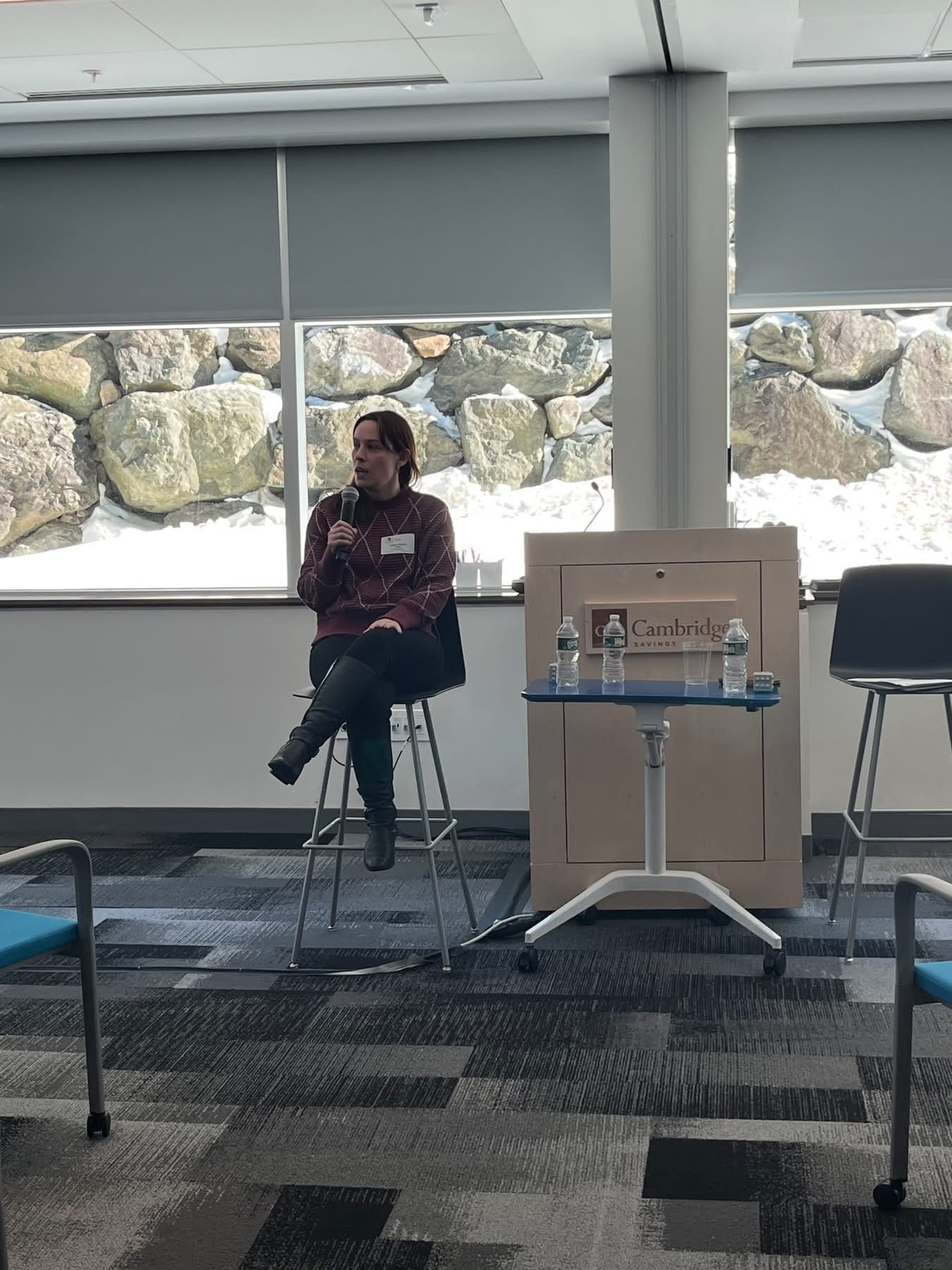
Vinfen partnered with Cambridge Savings Bank to present From Burnout to Balance: Recognizing Stress Before It Takes Over, a program focused on mental health and resilience in the workplace.
The session featured a fireside chat with Vinfen’s Vice President of Communications and Development David Brown and Director of Government Relations and External Affairs Sophie Hansen, a practicing clinician. Together, they explored how to recognize early signs of stress, prevent burnout, and adopt practical strategies to support well-being both at work and at home.
Cambridge Savings Bank is a proud sponsor of the Vinfen Film Festival, further strengthening the partnership between our organizations. Through collaborations like this, Vinfen continues to expand opportunities to share expertise and promote conversations about mental health in workplaces and communities across the region.

COMMEMORATING MLK DAY 2026
Connection, Community, and Service Celebrated on MLK Day
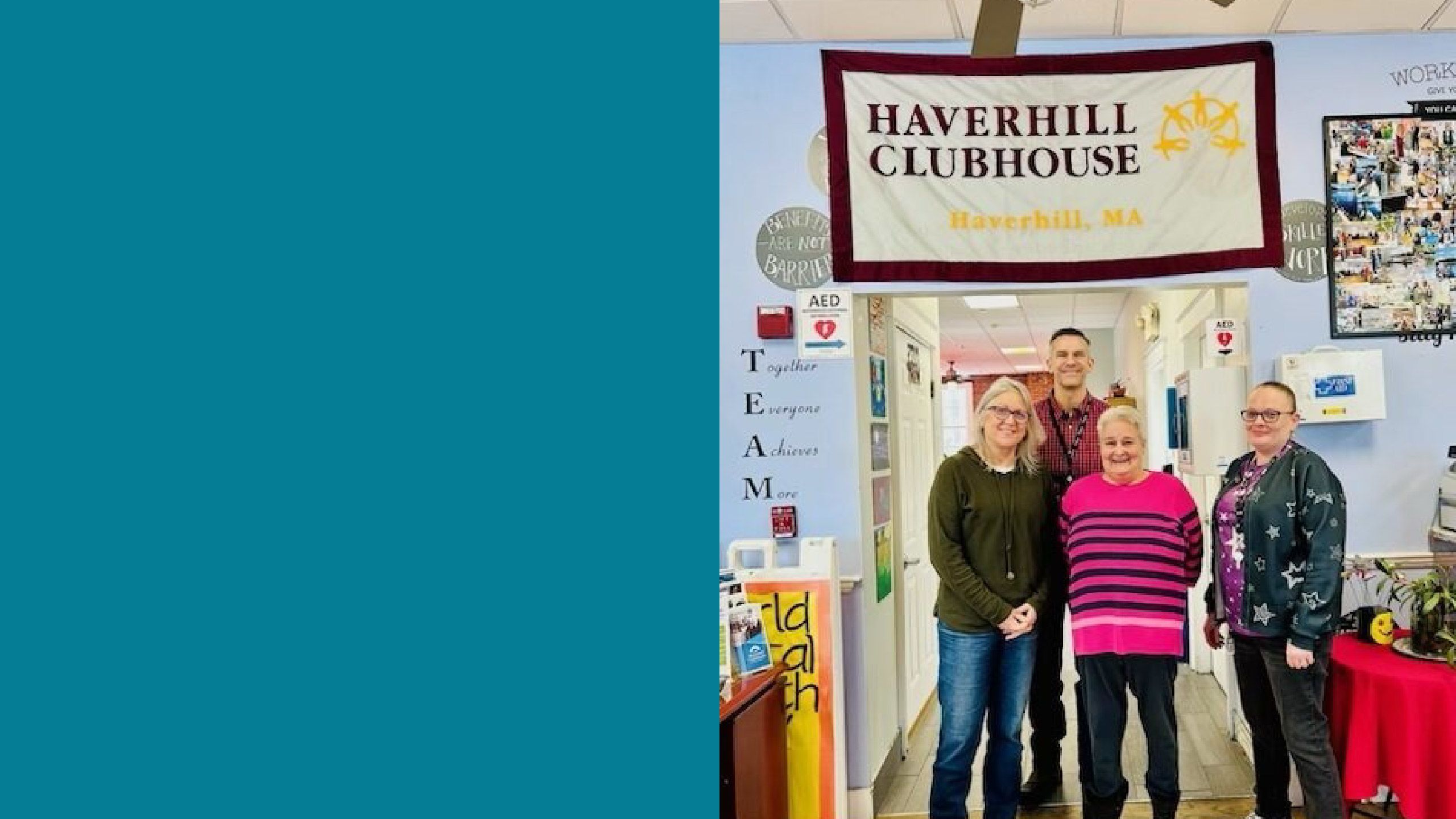
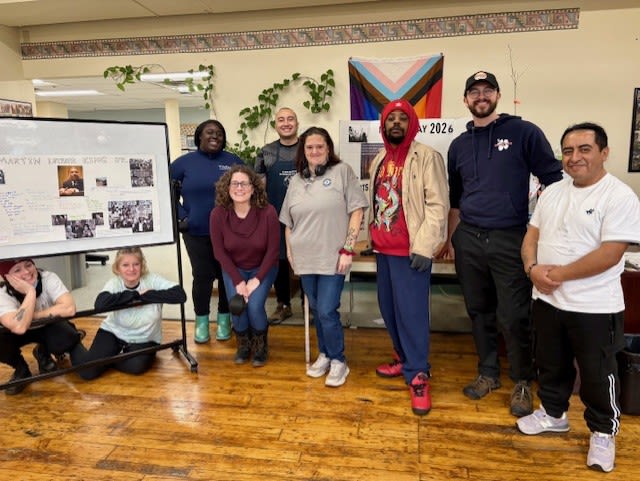
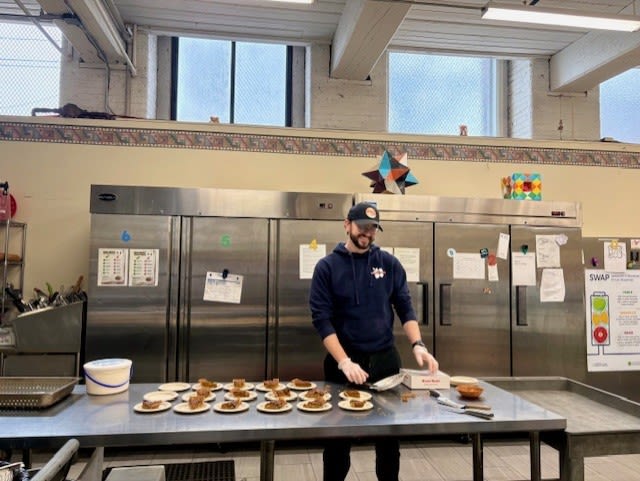
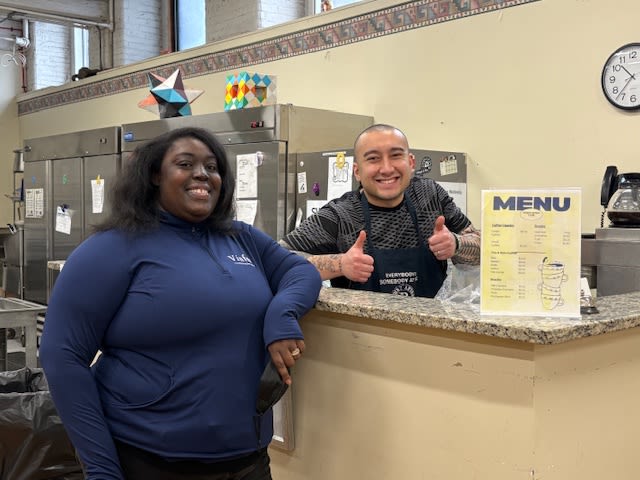
Vinfen staff and individuals we serve came together on January 19 to honor the legacy of Dr. Martin Luther King Jr. through a Day of Service at the Haverhill and Point After Clubhouses.
The day focused on building relationships across the organization while celebrating Dr. King’s vision of Beloved Community. Administrative staff spent the day participating in Clubhouse activities alongside members, including morning meetings, unit work, and group discussions.
For non-Clubhouse administrative staff who participated, the day helped reinforce a sense of community care. They described feeling more connected to Vinfen’s mission, and hearing directly from members about how the Clubhouse community shaped their lives was especially meaningful.
Clubhouse staff shared that having administrative staff present felt affirming, and the conversations were curious, respectful, and genuine. MLK Day provided a strong foundation for reflection and relationship-building, and highlighted an important idea: presence builds connection, and working together strengthens purpose.







VINFEN HAPPENINGS

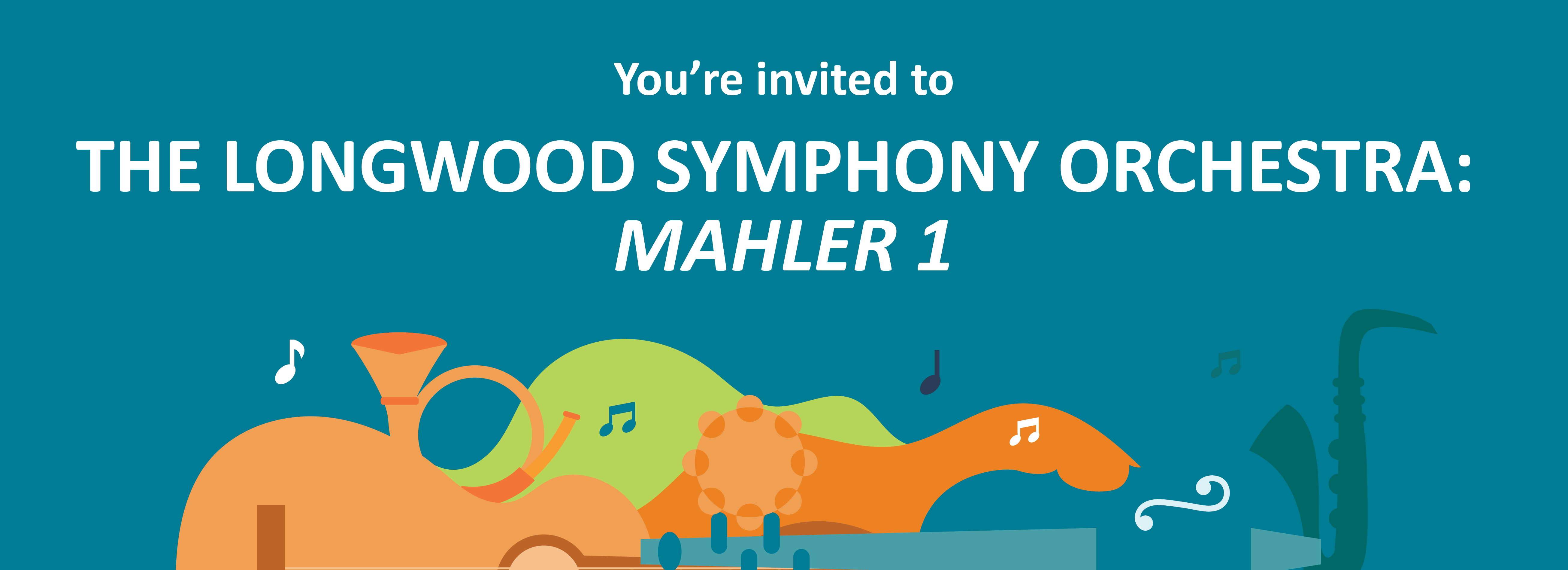
Join Vinfen and the Longwood Symphony Orchestra for Music and Memories this May!
Vinfen and the Longwood Symphony Orchestra (LSO) will once again partner for a special evening of music and community on May 8 at Jordan Hall at the New England Conservatory. The concert is part of the LSO’s Healing Art of Music series, which raises funds and awareness for nonprofit organizations supporting medically underserved communities.
The program for the concert will include Gustav Mahler’s Symphony No. 1, in D minor, as well as the world premiere of a piece by composer Heather Hyo Eun Ahn, commissioned specifically by the LSO. The evening’s conductor will be LSO Musical Director Jotaro Nakano, and the ensemble will be joined by the Cambridge Common Voices.
Each $65 ticket will include a pre-show reception with the conductor at 6:45 p.m., with the concert beginning at 8 p.m., and 100% of the ticket sales will benefit Vinfen’s Health and Wellness Fund.
Learn more at www.vinfen.org/lso or click here to purchase your tickets today!



SHARE YOUR VOICE
Do you have questions about Vinfen and our services? Thoughts about any of the stories you just read? Suggestions about things you’d like to see in future newsletters? Wondering how you can help support Vinfen’s work? We want to hear from you! Feel free to drop a line to Josh Wardrop at wardropj@vinfen.org with your feedback and questions. And thank you for reading The VOICE!


Established in 1977, Vinfen is a nonprofit health and human services organization and a leading provider of community-based services to individuals with mental health conditions, intellectual and developmental disabilities, brain injuries, and behavioral health challenges. Our services and advocacy promote the recovery, resiliency, habilitation, and self-determination of the people we serve.
 Built with Shorthand