


THE VOICE
September 2025

VINFEN HAPPENINGS


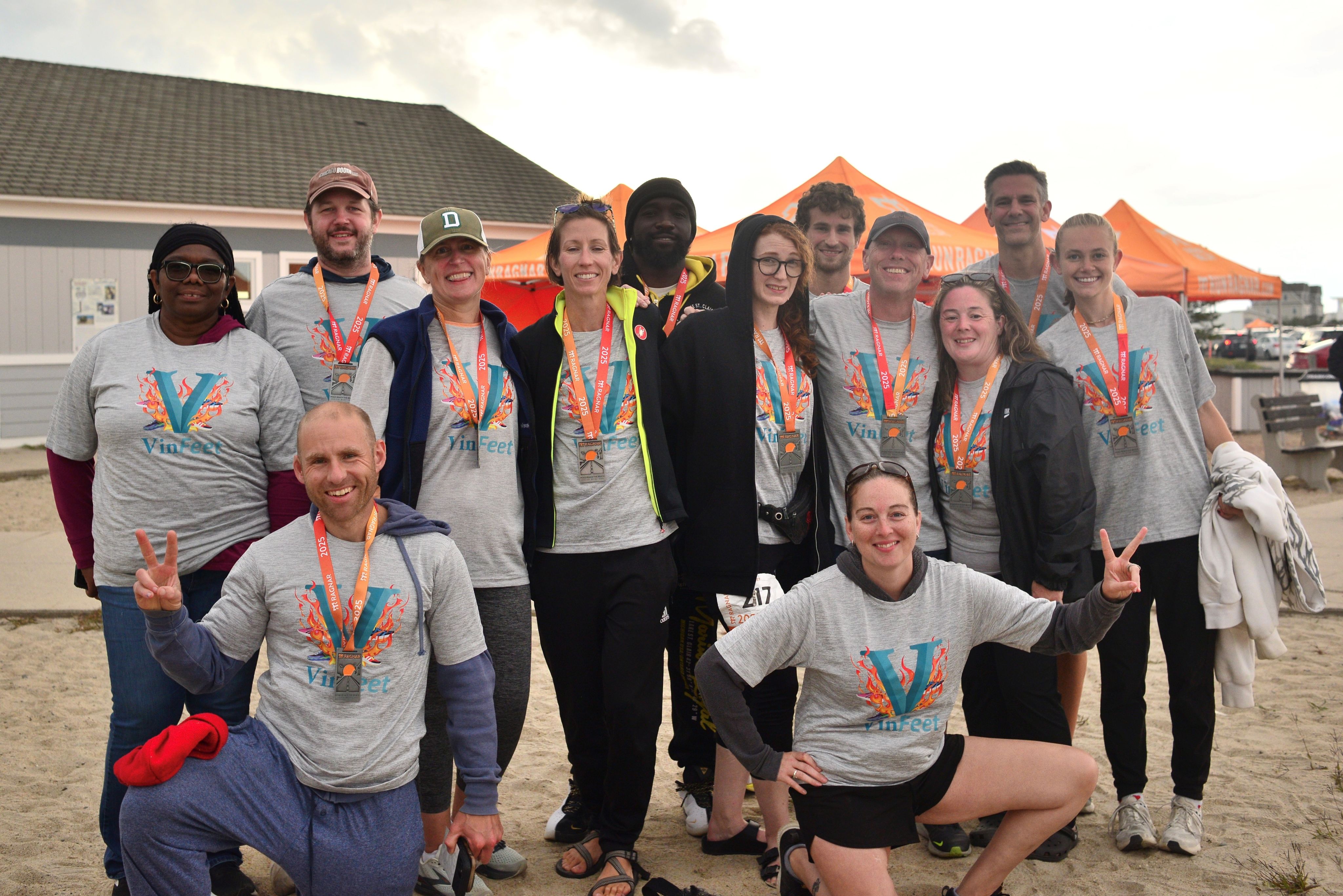
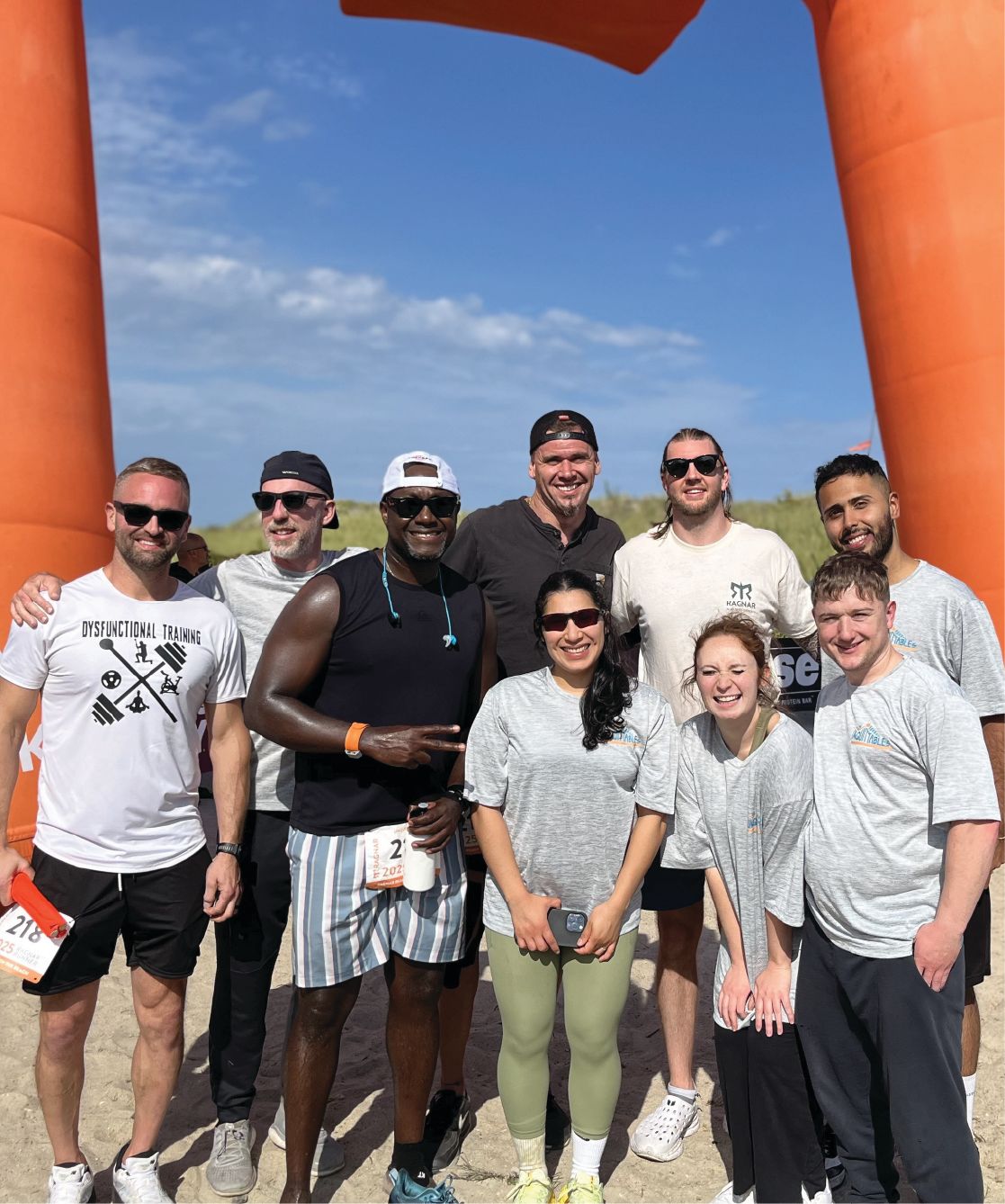
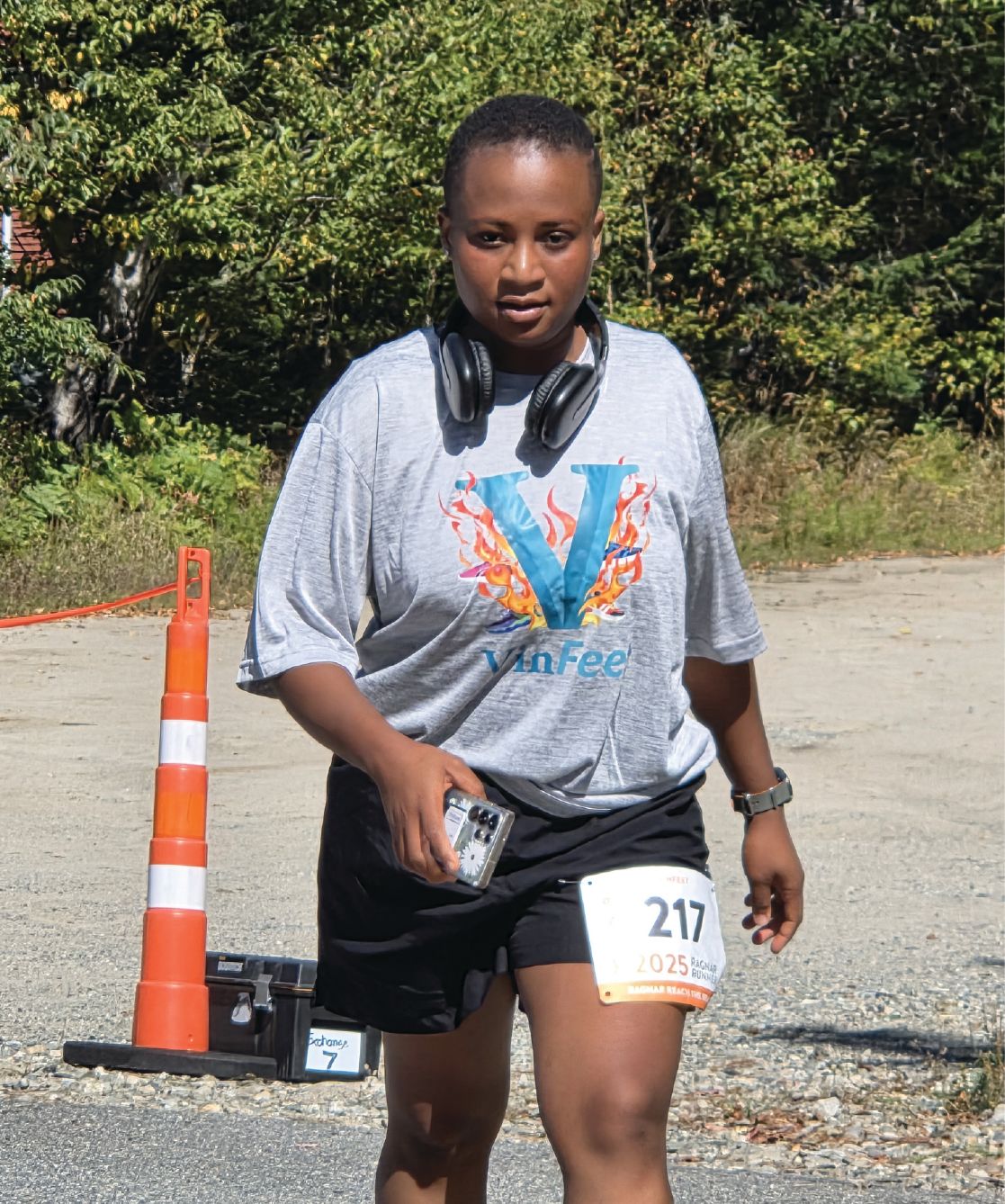
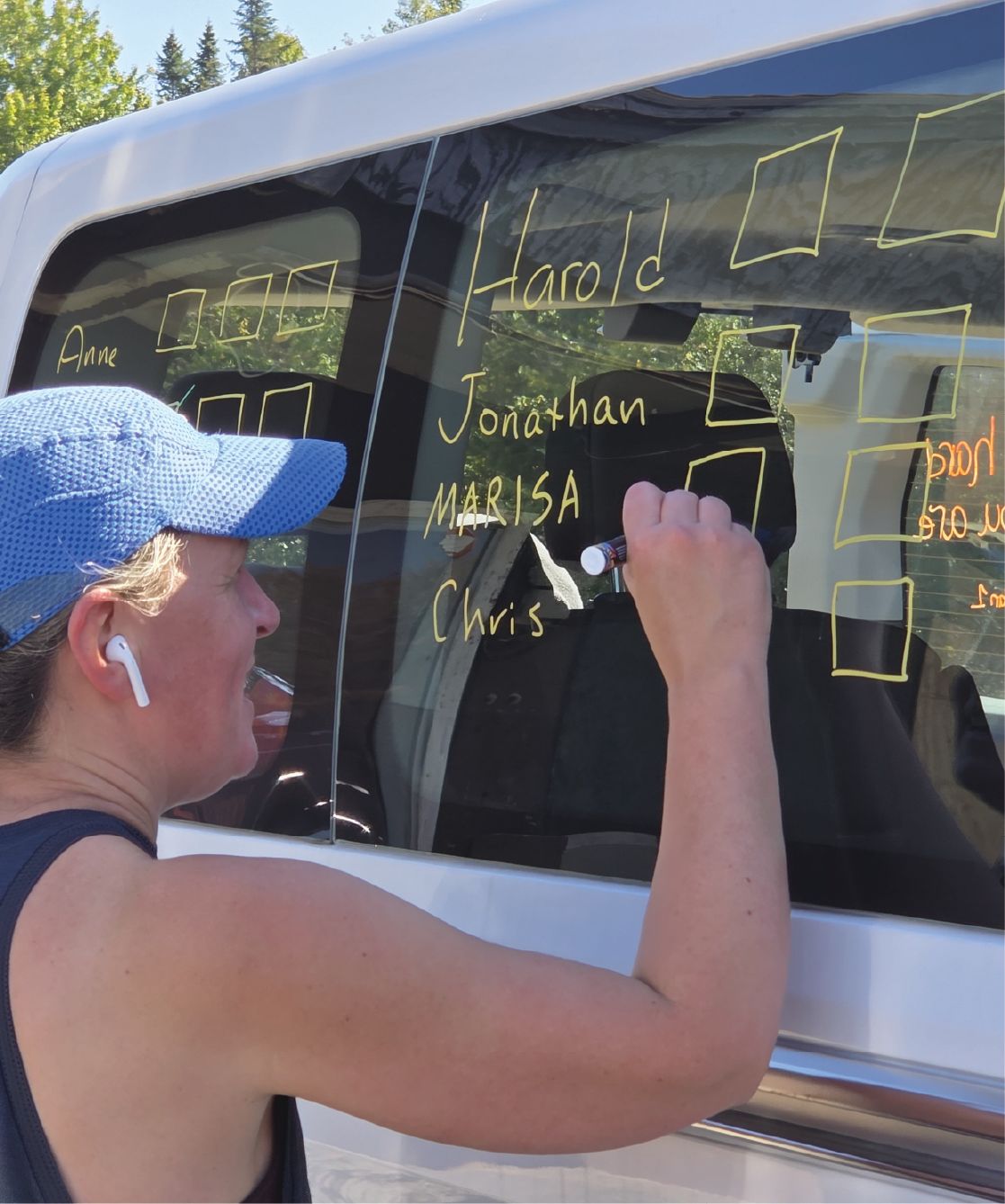
🏃♂️ Top 10 Highlights from Run 4 Life 2025 🏃♀️



24
incredible runners took on the challenge with heart and determination.
204
miles total was traversed from Lancaster, NH, to Hampton Beach.

84
bananas 🍌, 92 bagels 🥯, and 100's of peanut M&Ms fueled the team along the way.
10-23
miles were logged by each runner, proving true grit and stamina.
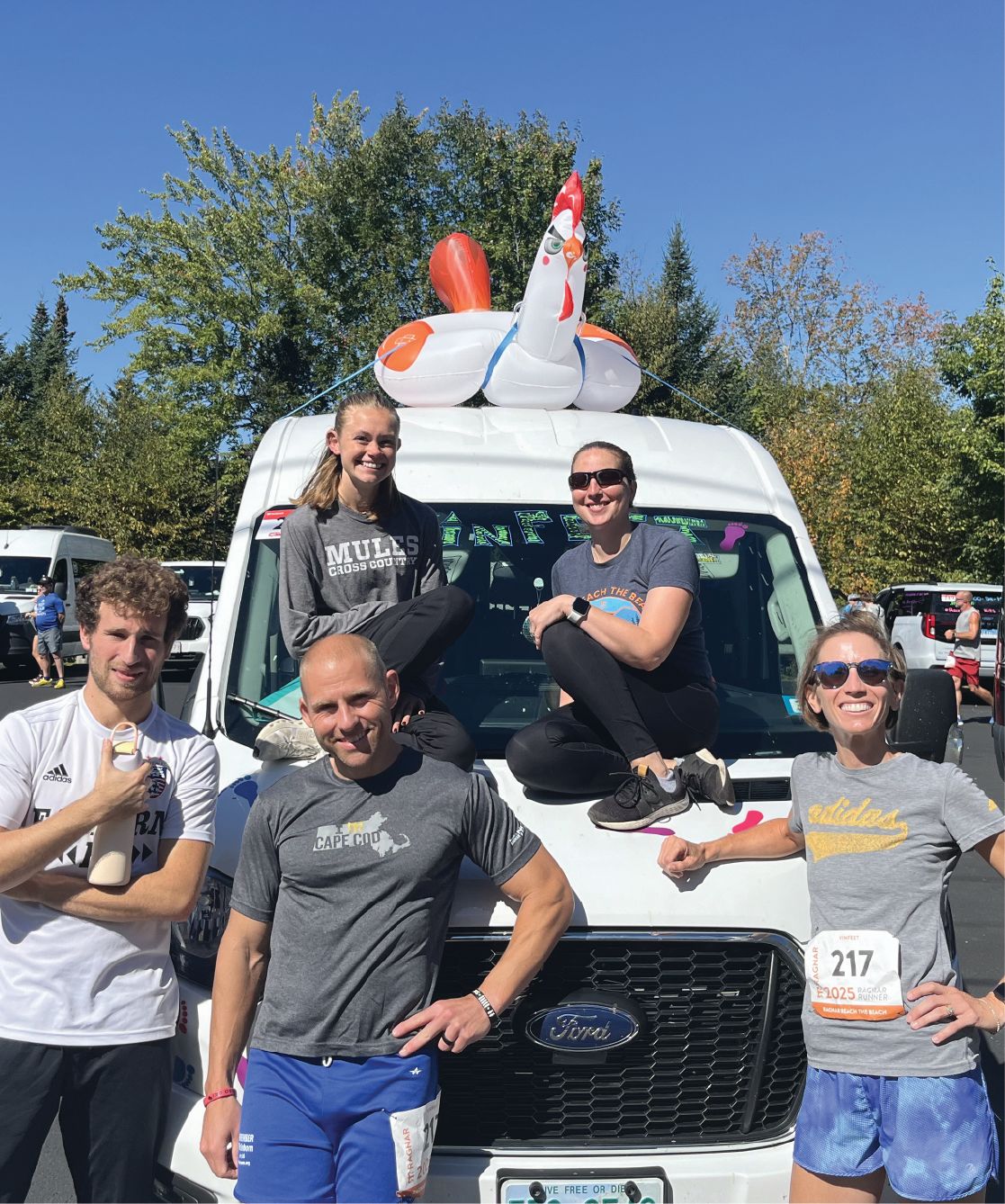
4
trusty vans 🚐 became the team’s home-away-from-home.

$20,000+
was raised for Vinfen’s Health and Wellness Initiative.
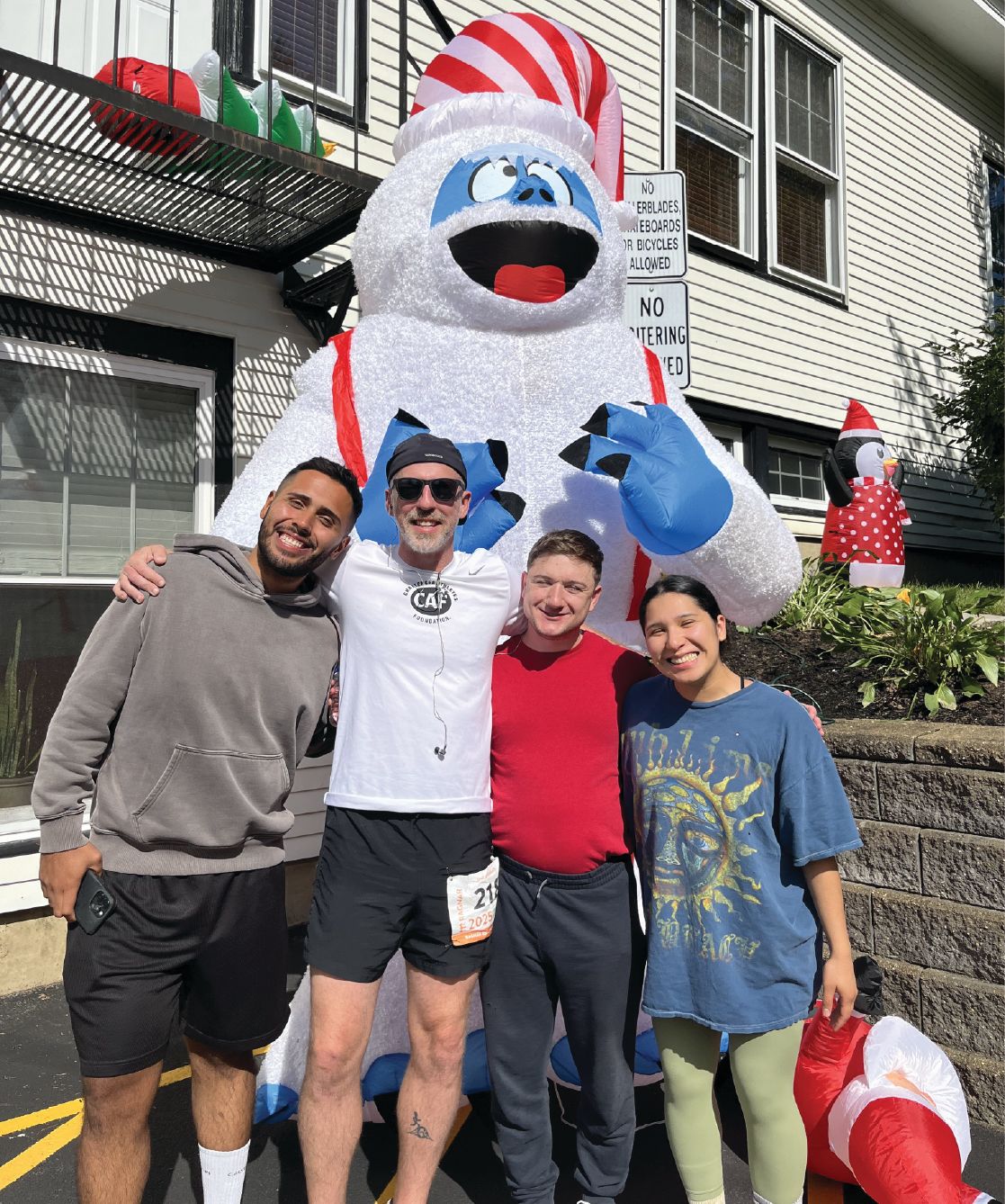
30
towns along the route cheered us on in spirit.
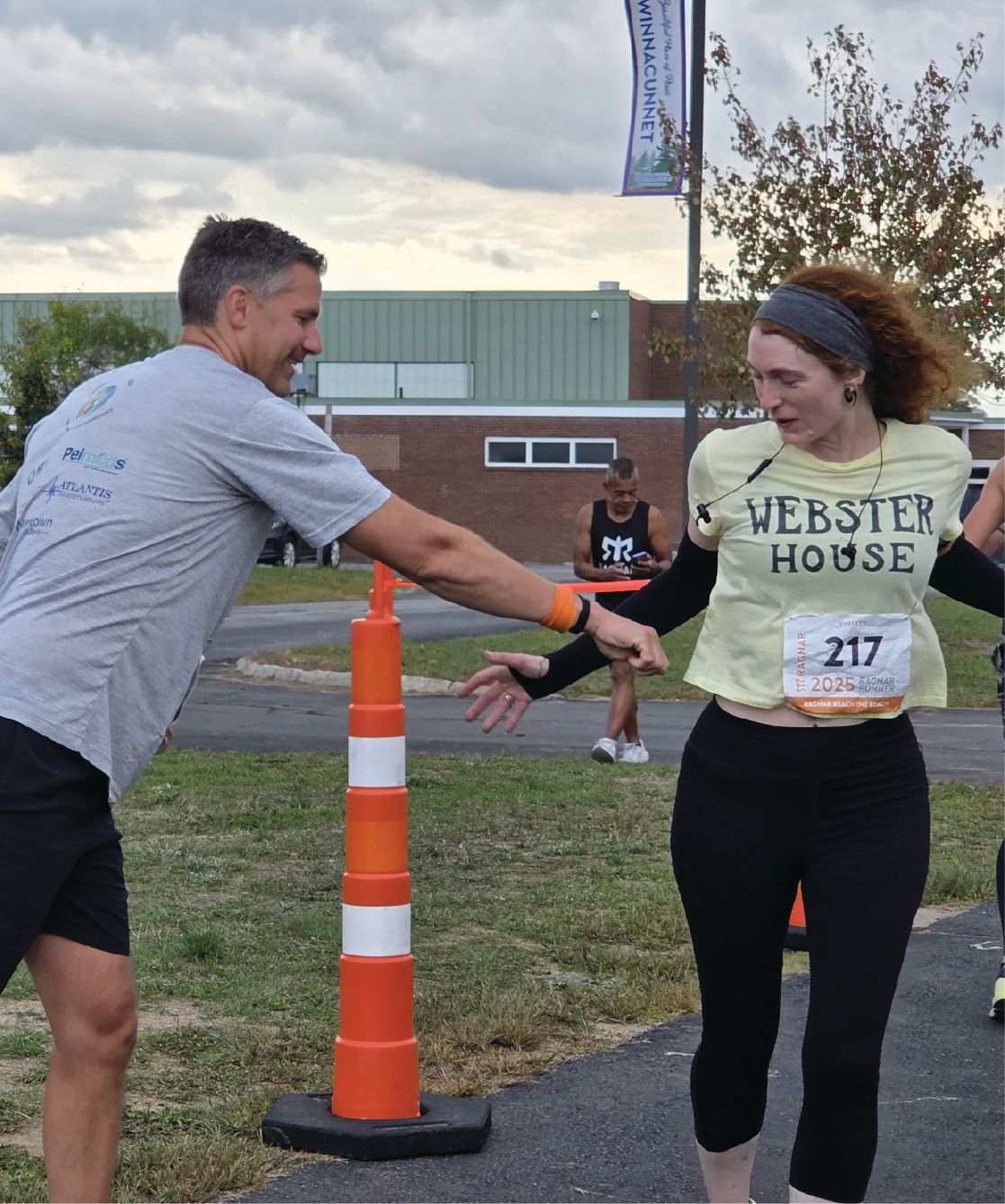
36
legs made up the relay, conquered one by one.
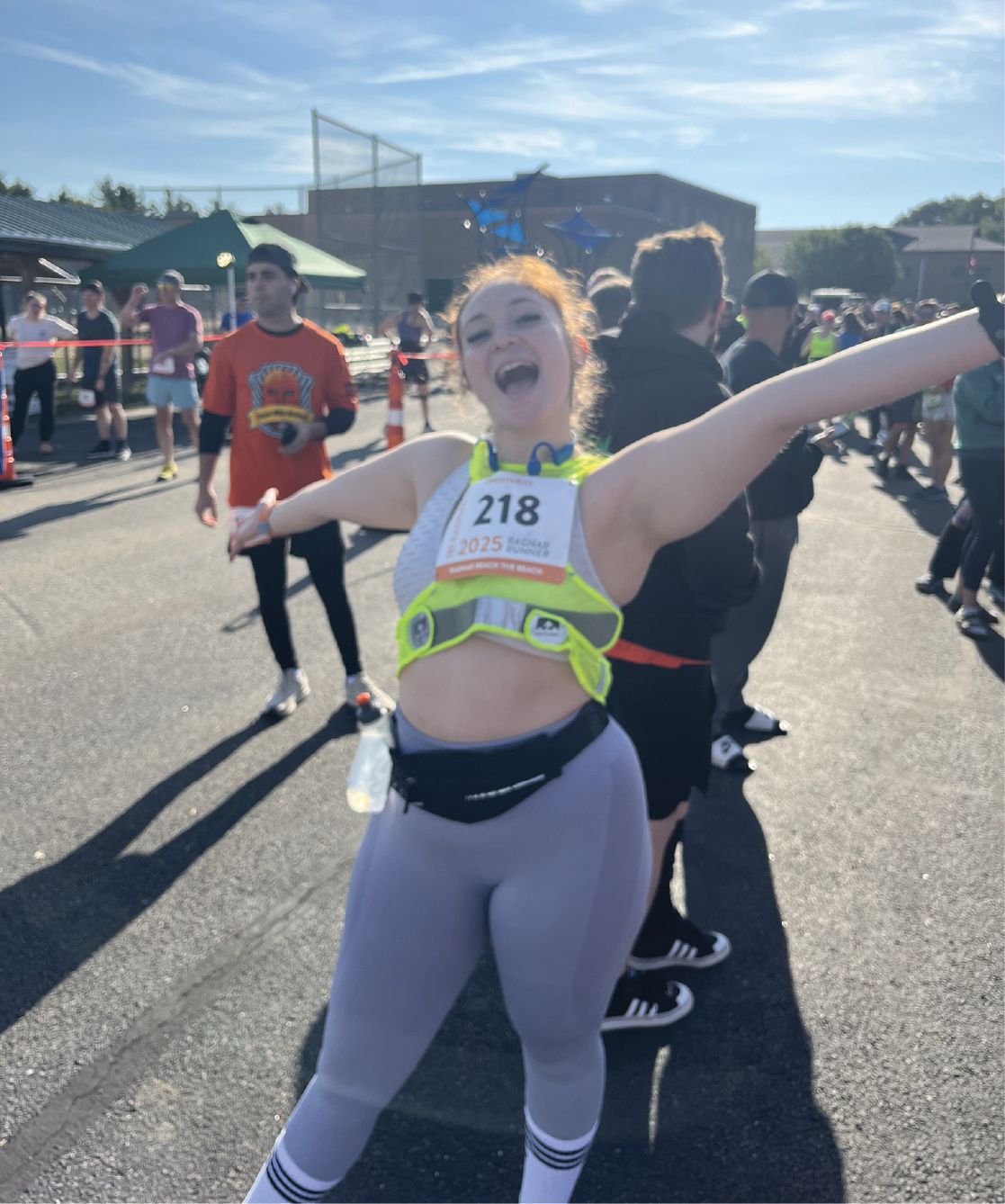
32
hours of running, resting, cheering, and supporting each other.
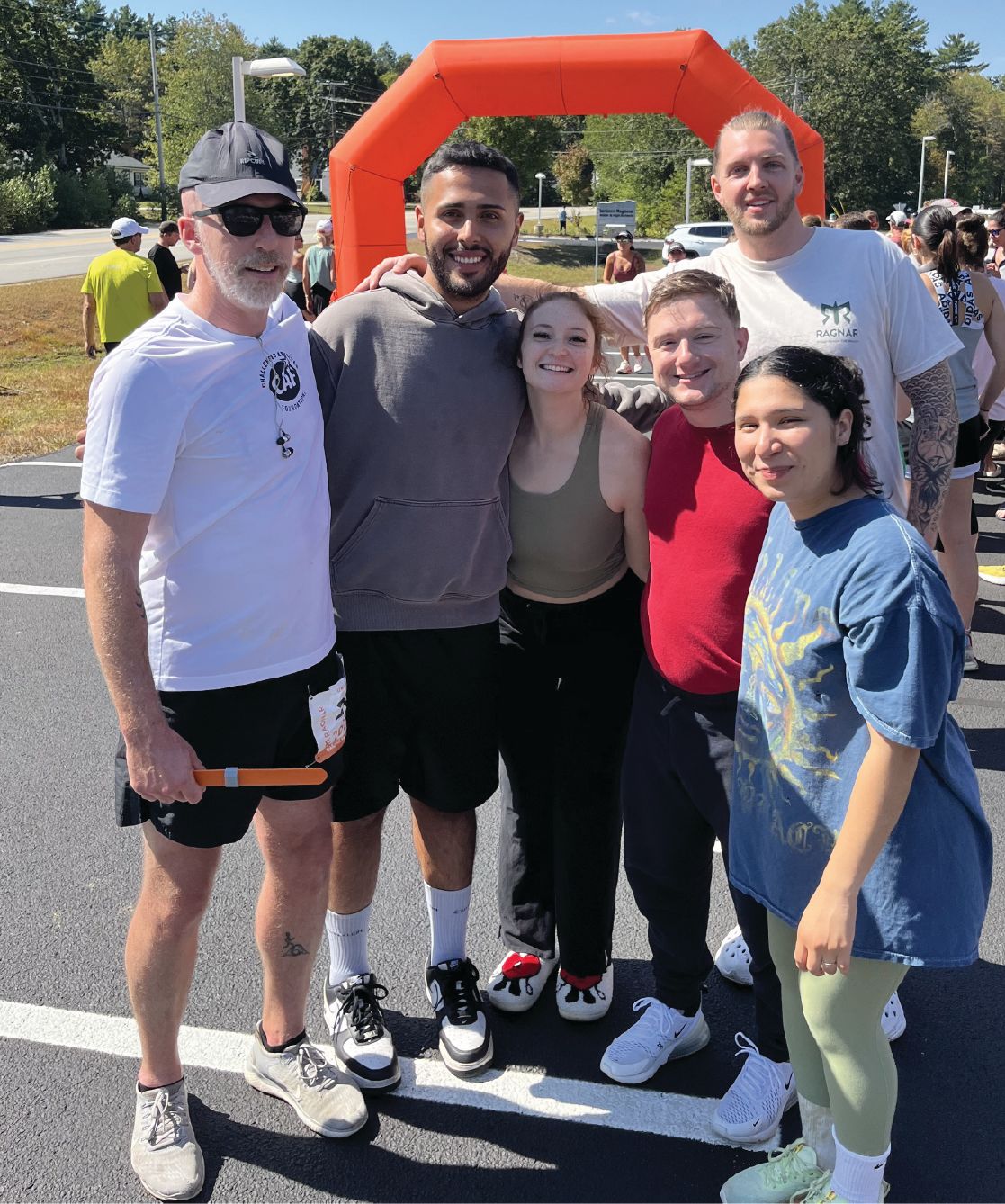
MOST IMPORTANTLY:
every step supports healthier, fuller lives for the people Vinfen serves
PROGRAM SPOTLIGHT
October 16 is Global Peer Support Celebration Day, an annual celebration of peer supporters and recognition of their work in helping people with mental health, substance use, and/or trauma-related challenges move along the continuum of recovery.
At Vinfen, peer support professionals are a critical part of our workforce, and offer a unique perspective and skillset in the work of fostering recovery.
WHAT IS A PEER SUPPORT PROFESSIONAL?
The simplest definition of a peer support professional is an individual that has personal lived experience with either mental health or substance use challenges, and uses skillful self-disclosure to offer support. “Peer supporters have a strong ability to connect with someone seeking services due to that commonality of lived experiences,” says Julie Anne Entwistle, Vinfen’s Director of Recovery Services. “Experiential knowledge is uniquely valuable—it allows a peer supporter to be able to say, ‘I’ve been there,’ and that they can relate to and understand a person’s particular struggles on a deeper level.”
At Vinfen, peer support services are integrated through most of our programs, with notable inclusion in our Adult Community Clinical Services and Program for Assertive Community Treatment, for people living with long-term mental health and substance use challenges; our Recovery Connection Centers and Recovery Learning Centers, which are run entirely for and by people with lived experience; and our Young Adult Access Centers for people ages 16-26 who are seeking support with mental and emotional wellbeing during the transition into adulthood.
“All of our peer support professionals are highly trained within their specialized disciplines. Almost all are required to complete a rigorous credentialing process in order to practice as Certified Peer Specialists or Certified Addictions Recovery Coaches in the state of Massachusetts,” says Entwistle. “There’s a really exceptional level of integration that goes on between peer support professionals and our licensed clinicians, so that all these people with different skills work as unified teams and provide a full range of support.”
Entwistle describes three of the skills and competencies that peer supporters particularly bring to the table:
- Recovery Support: “In addition to that connection that their lived experience brings, peer supporters have lived a recovery journey of their own, and they have a natural understanding of the ‘discovery work’ that’s part of that journey,” she says. “Recovery can involve working hard toward goals, and many people really benefit from structured work based around what they want their life in recovery to look like. Peer support professionals are uniquely equipped to explore what a meaningful life looks like, to reassure that achieving that is possible, and helping people get to a place where they’re comfortable.”
- Peer Bridging: “This is a process of supporting people through life transitions,” Entwistle says. “Someone who may be returning to a community setting, or employment, or education, after a period of institutionalization or hospitalization. Peer support professionals meet with people before, during, and after those transitions to help them prepare, and to help them advocate for their needs.”
- Change Agency and Advocacy: Entwistle describes this as the role that a peer supporter has—as someone who’s experienced both sides of the mental and behavioral health worlds—to not only help those in their care, but to help the system administering that care do it better. “There’s the lived experience, and there’s also a values system,” she says. “A peer specialist is particularly skilled in advocating for person-centered treatment. They have a role not just as supporters, but as change agents, and they are explicitly tasked with helping move systems of treatment in a more recovery and person-centered direction.”


SUICIDE PREVENTION MONTH

Suicide—Know the Signs
September is Suicide Prevention Month—a time to raise awareness, spread hope, and spark meaningful action around one of the most urgent mental health issues of our time.
According to the Centers for Disease Control (CDC) and the National Institute of Mental Health (NIMH), nearly 46,000 lives were lost to suicide in 2020 alone.
If you’re worried that someone close to you may be contemplating suicide, don’t be afraid to start a conversation with them. It’s a frightening topic, but by reaching out for help or checking in with family and friends, we can avoid devastating outcomes.
SPOT THE SIGNS
- Increased alcohol and drug use
- Aggressive behavior
- Withdrawal from friends, family and community
- Dramatic mood swings
- Impulsive or reckless behavior
- Collecting and saving pills or buying a weapon
- Giving away possessions
- Tying up loose ends, like organizing personal papers or paying off debts
- Saying goodbye to friends and family
If you are unsure, a licensed mental health professional can help assess.
KNOW THE RISK FACTORS
Having a known mental health condition is a risk factor for suicide, but several other factors may put a person at risk of suicide, including but not limited to:
- A family history of suicide
- Substance use: Drugs can create mental highs and lows that worsen suicidal thoughts.
- Intoxication: Analysis from the CDC indicates around 1 in 5 people who die by suicide had alcohol in their system at the time of death.
- Access to firearms
- A serious or chronic medical illness
- Gender: Although more women than men attempt suicide, men are 4x more likely to die by suicide. Additionally, a 2023 study from the Williams Institute at UCLA School of Law found that 81% of transgender adults in the U.S. have thought about suicide and 42% of transgender adults have attempted it.
- A history of trauma, bullying, or abuse
- Discrimination on basis of race or sexual orientation
- Prolonged stress
- A recent tragedy or loss
If these warning signs apply to you or someone you know, get help as soon as possible, particularly if the behavior is new or has increased recently.
The national 988 Suicide & Crisis Lifeline is available: simply call or text 988 or chat live online at 988lifeline.org.
Vinfen also has its own options for people who need to speak with someone: our Behavioral Health team has a 24/7 crisis line that can be reached at 866-388-2242 or 978-674-6744; and our Peer Recovery Centers are run entirely for and by people with lived experience of mental health conditions and/or substance use challenges and are there to listen.

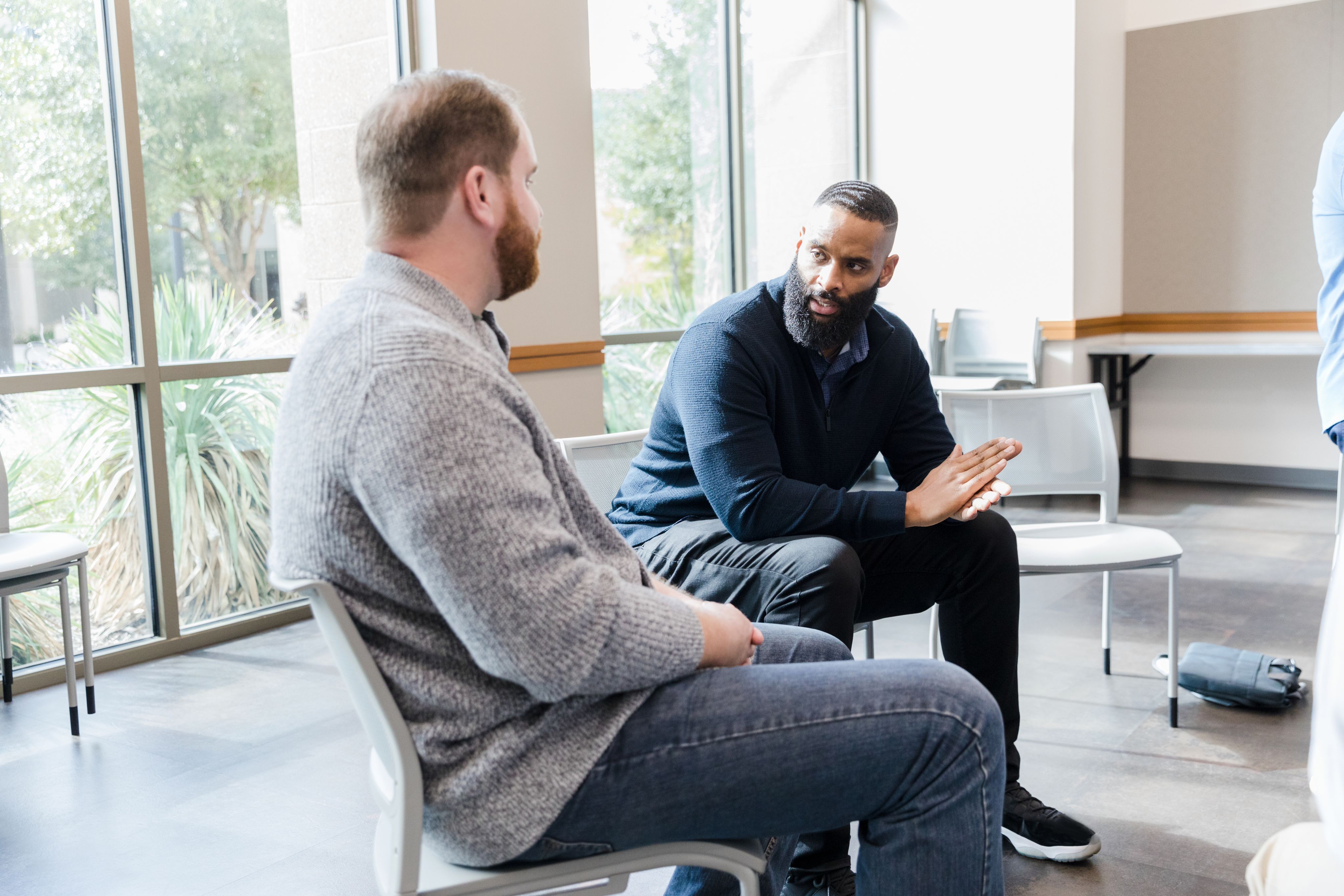
CELEBRATING THE ADA

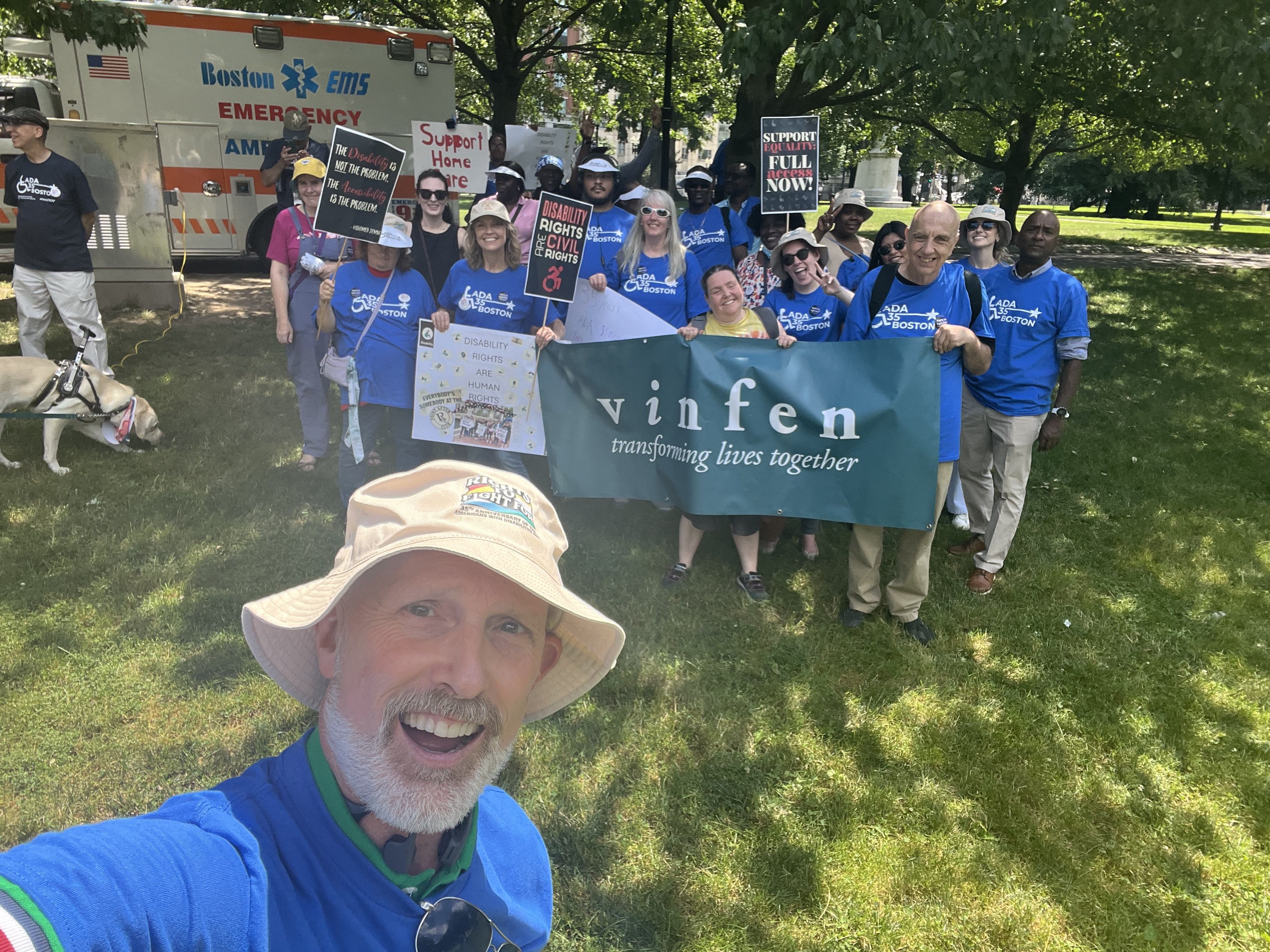
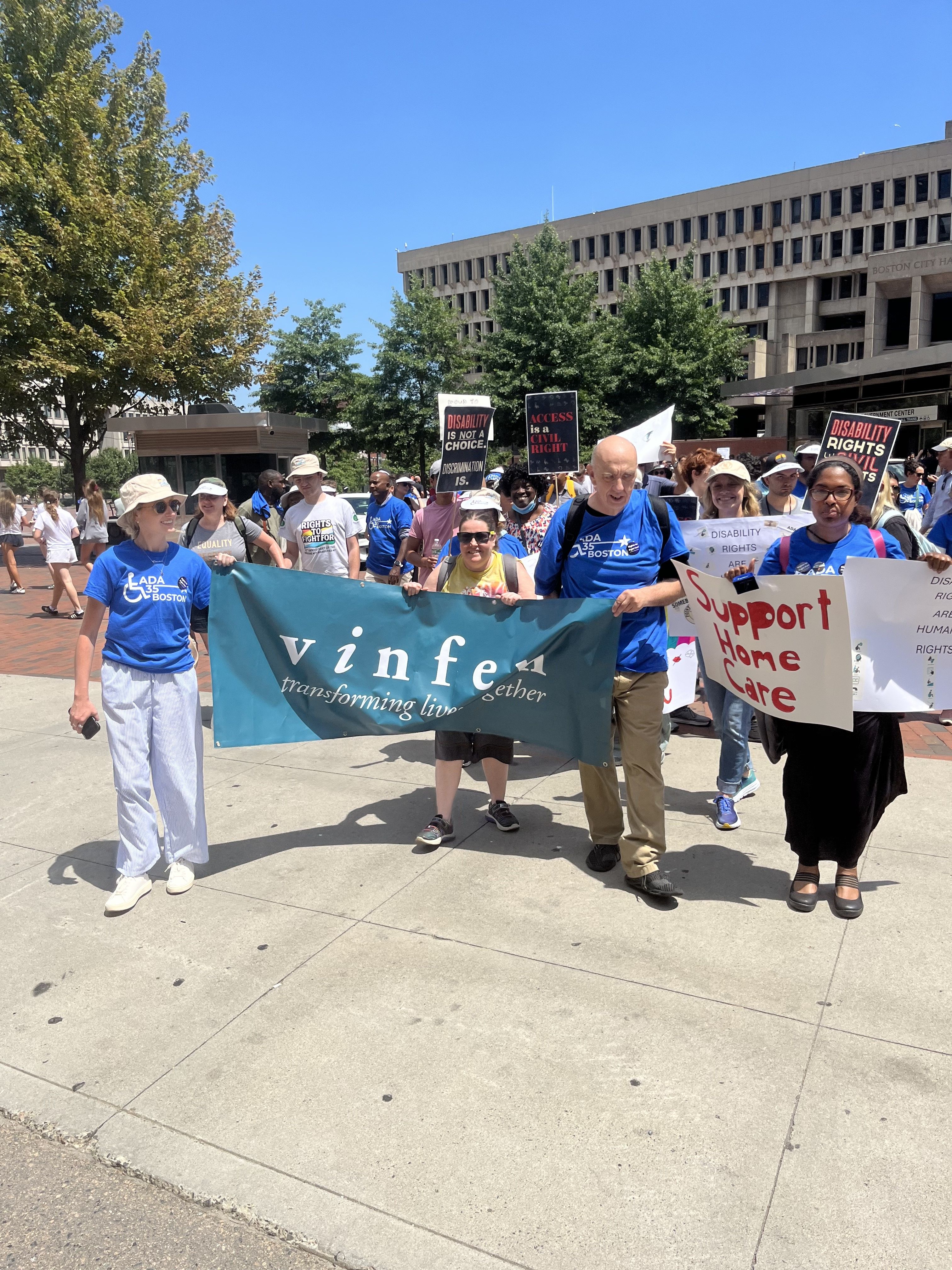
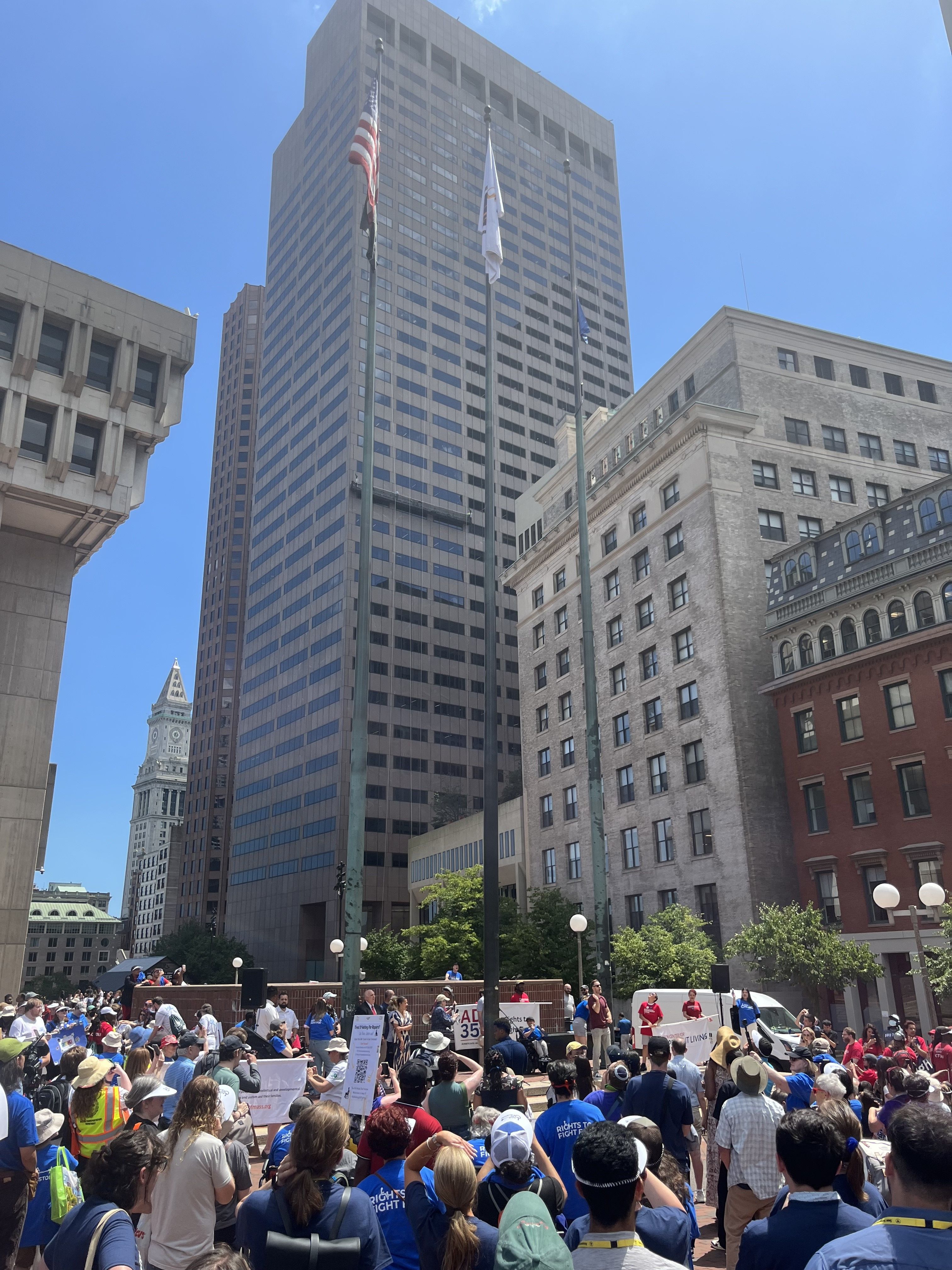
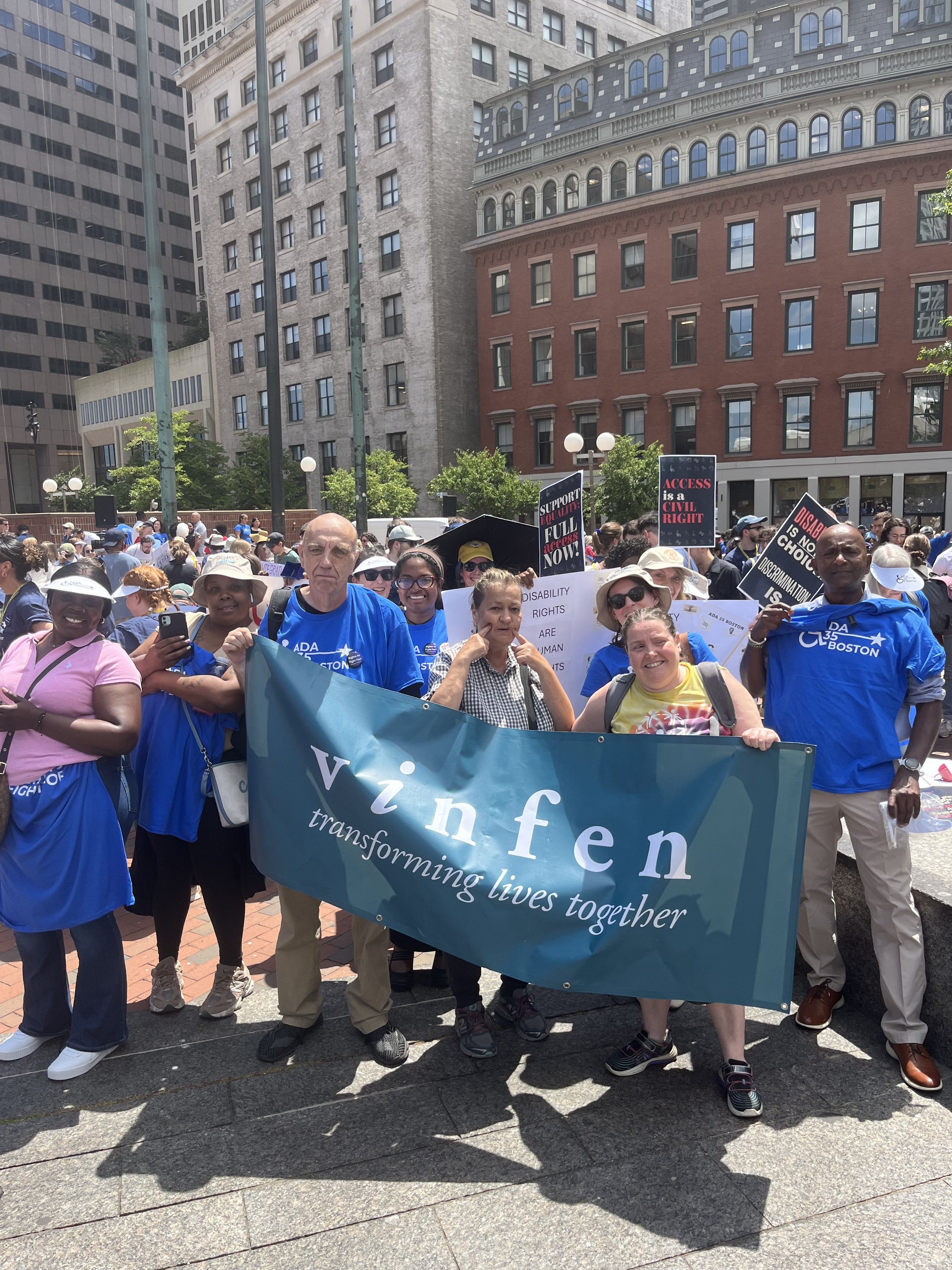
Vinfen was proud to be among the 67 organizations that rallied and marched together on July 23rd from Boston City Hall to the Embrace sculpture in Boston Common, in celebration of the 35th anniversary of the Americans with Disabilities Act (ADA)—a landmark civil rights law that continues to shape our communities.
Top 5 Facts About the ADA at 35
The ADA became law on July 26, 1990, guaranteeing equal rights and opportunities for people with disabilities. Here’s a few fascinating facts about this groundbreaking legislation.
- Five Titles of Protection – It covers employment, government services, public spaces, telecommunications, and additional protections.
- Modeled on Civil Rights Principles – The ADA was built on the same foundation as the Civil Rights Act, extending equity to people with disabilities.
- Expanded in 2008 – The ADA Amendments Act broadened who is protected, ensuring coverage for people with conditions like epilepsy, diabetes, and depression.
- Changing the Landscape – From curb cuts to workplace inclusion, the ADA has transformed access and opportunity for millions of Americans.
- The Low Cost of Equity—No price is too high to pay for a more accessible and equitable world, but did you know that more than half of the accommodations for people with disabilities under the ADA cost employers NOTHING? (And the average cost for other accommodations is about $500.)


MEDICAID NEWS

THE MORE YOU KNOW—Medicaid Changes Coming in 2026
In July 2025, Congress enacted H.R. 1, a major tax and domestic policy law that includes significant changes to federal Medicaid law.
Two key provisions under this law are:
• Mandatory 6-month redeterminations
By December 31, 2026, states must redetermine eligibility for certain Medicaid members every 6 months, instead of every 12 months, as is the current practice.
• Work reporting requirements
By January 1, 2027, certain adults must work or participate in qualifying activities (e.g. work program, community service, part-time education) at least 80 hours per month in order to be eligible for Medicaid.
According to the Blue Cross Blue Shield of Massachusetts Foundation, these changes to federal Medicaid law could have major impacts here in Massachusetts.
📉 Between 141,000–203,000 MassHealth members could lose coverage.
📈 The number of uninsured residents could rise by 37–65%.
📝 Most would lose coverage due to procedural or administrative barriers—not because they’re ineligible.
If you or someone you love receive their medical coverage under Medicaid (administered through MassHealth in MA or HuskyHealth in CT), it’s important to be aware of these coming changes and protect your access to care.
Each state is expected to have different processes for individuals to redetermine their eligibility, and those plans—as well as exceptions that will exist for some individuals with disabilities, mental health conditions, and other factors—are currently in development.
The end of 2026 may seem a long way off, but the best thing you can do now is STAY INFORMED.
- Check out a summary of Federal Medicaid work requirements here
- Keep up with updates to eligibility redeterminations through healthcare advocacy organizations like Health Care for All (in Massachusetts) and AccessHealthCT (in Connecticut)
- Read the full BCBS Foundation report on Medicaid changes by clicking here.
Vinfen will also be sharing information about how we plan to support those we serve in maintaining their access to healthcare in the months to come. So, keep reading The VOICE and visiting our website, www.vinfen.org, for updates!
IN THE COMMUNITY
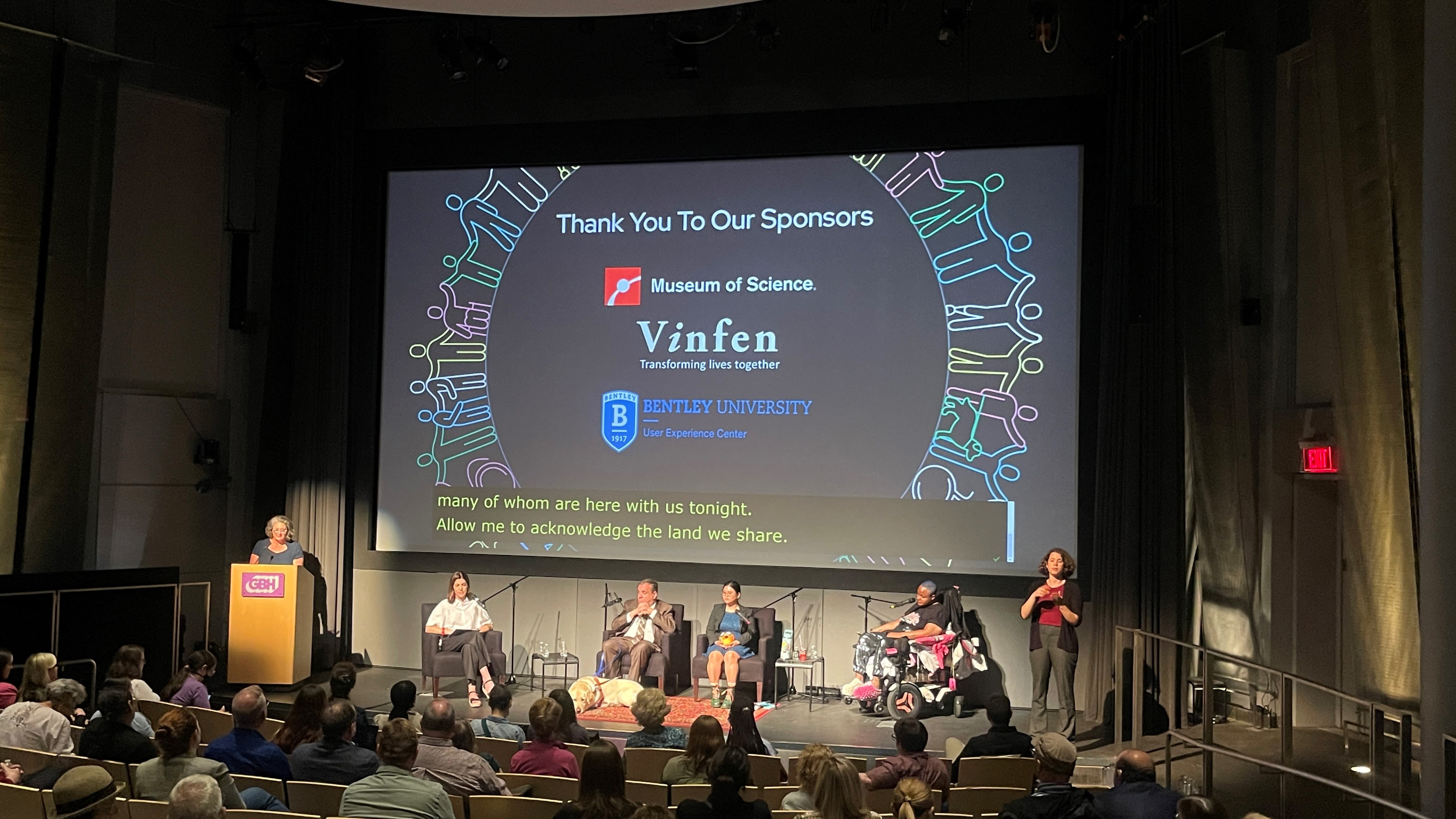
Vinfen was proud to serve as the presenting sponsor of GBH’s Disability Reframed: A Growing Community, an annual conversation exploring the future of disability inclusion and advocacy. The event brought together a powerful panel of leaders—including motivational speaker and entrepreneur Keisha Greaves, ADA Coordinator Carl Richardson, and photographer and advocate Tina Zhu Xi Caruso—moderated by Nicole Agois Hurel of Open Door Arts. Together, they shared insights on how to support those newly navigating disability or chronic illness, and how resilience, creativity, and community can shape a more inclusive society. As presenting sponsor, Vinfen underscored its commitment to amplifying the voices of people with disabilities, advancing access, and building stronger, more welcoming communities for all.

SHARE YOUR VOICE
Do you have questions about Vinfen and our services? Thoughts about any of the stories you just read? Suggestions about things you’d like to see in future newsletters? Wondering how you can help support Vinfen’s work? We want to hear from you! Feel free to drop a line to Josh Wardrop at wardropj@vinfen.org with your feedback and questions. And thank you for reading The VOICE!


Established in 1977, Vinfen is a nonprofit health and human services organization and a leading provider of community-based services to individuals with mental health conditions, intellectual and developmental disabilities, brain injuries, and behavioral health challenges. Our services and advocacy promote the recovery, resiliency, habilitation, and self-determination of the people we serve.
 Built with Shorthand